Before the films and the television, Dodge was a railroad town that lived off hides, then cattle, then wheat. The ruts, the street and the museum still tell that story if you read them plainly.
Dodge City has full services. The ruts site sits beside US-50 west of town with a pull-off; summer heat is serious, and the grass hides uneven ground.
The name carries more weight than the town ever asked for. Say Dodge City and most people see a dusty street, a saloon door and a marshal walking out at noon. The real place is a working county seat on the Arkansas River, ringed by feedlots, packing plants and grain elevators, and its history is stranger and more interesting than the legend.
Start where the town's reason for existing starts: with a trail, a fort, a railroad and a river crossing.
The trail before the town
For nearly sixty years before the railroad, freight wagons rolled along the Santa Fe Trail between Missouri and New Mexico. The trade began in 1821, when Mexico opened Santa Fe to American merchants, and it ran until the rails reached New Mexico around 1880. The trail followed the Arkansas River across this part of Kansas, and west of present Dodge City several routes split off toward the Cimarron River, the shorter and drier crossing that wagons took at their own risk.
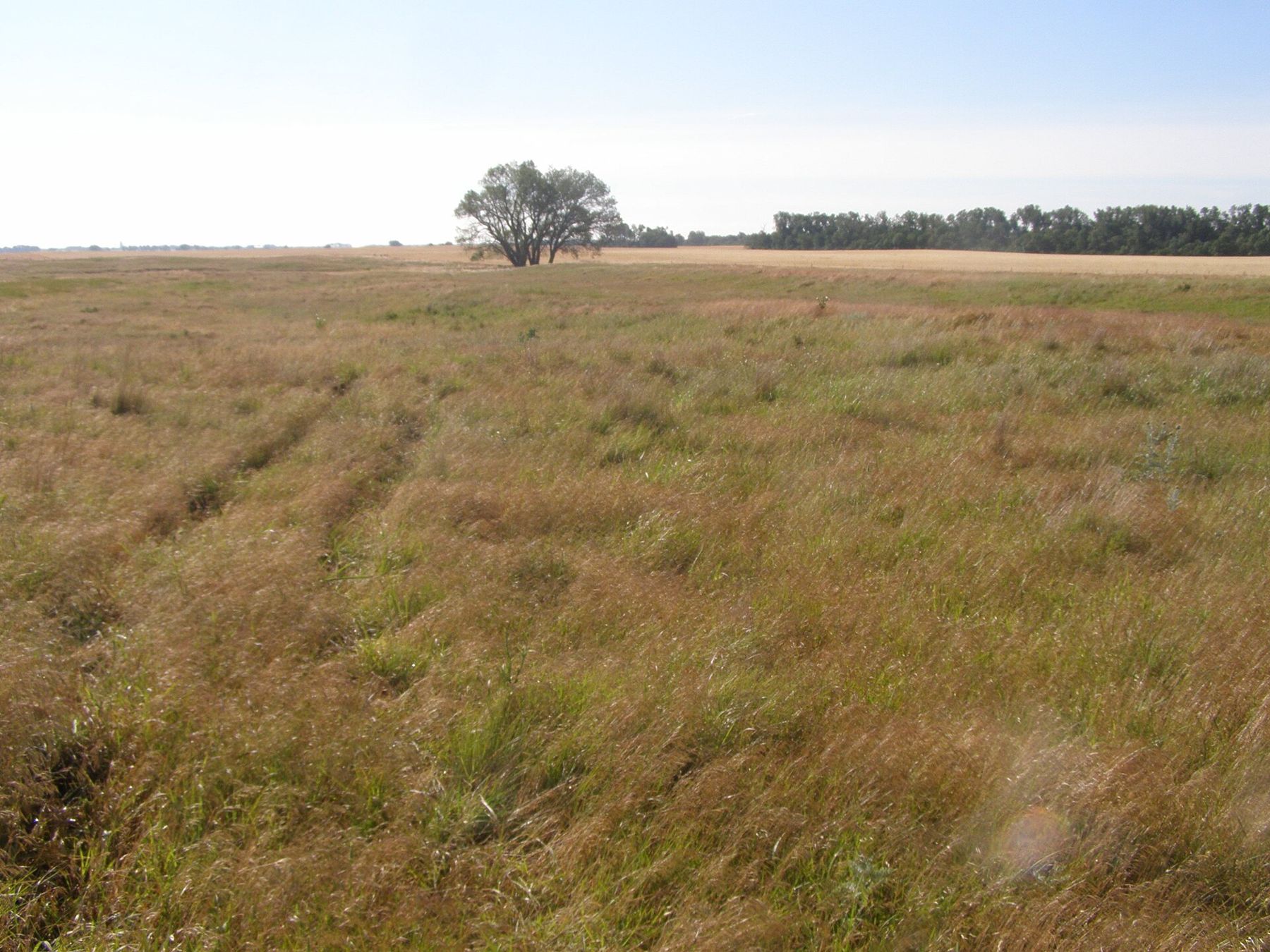
About nine miles west of town on US-50, a pull-off and short path lead to one of the best surviving stretches of ruts anywhere on the trail. Do not expect deep trenches. What you see are broad, shallow swales running side by side across a grassy slope, worn by thousands of iron-tired wagons, oxen and mules. Once your eye learns the shape, you can follow them toward the horizon.
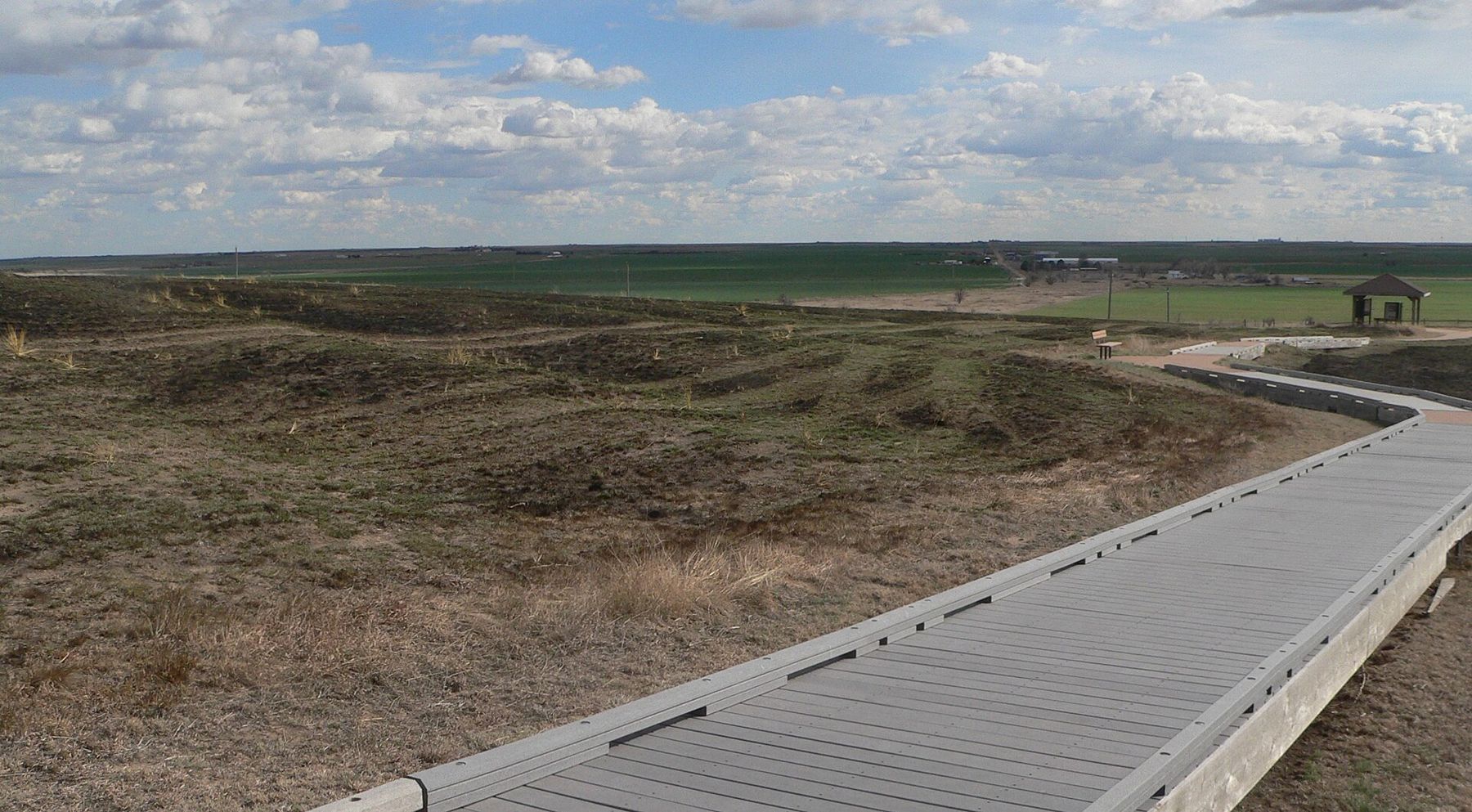
Go early or late in the day, when low light throws the swales into relief. At noon in July they all but vanish, and the heat on that slope is no small thing.
The western branch of the trail, through the far southwest corner of the state where long stretches still lie on public land, is the heart of the Cimarron National Grassland.
Fort Dodge, the railroad and the hide years
The army built Fort Dodge in 1865, a few miles east of the present town, to protect the trail. Its buildings still stand and serve as a state home for veterans. Two years later, the councils at Medicine Lodge promised the southern plains tribes lands and hunting rights south of the Arkansas, and the years that followed broke most of those promises; the background is in the story of the Medicine Lodge treaties.
Dodge City grew up in 1872 just west of the fort's military reservation, and the Atchison, Topeka and Santa Fe Railway reached it that same year. Its first boom was buffalo hides. Commercial hunters, armed with heavy rifles and supplied from Dodge, killed bison on the southern plains by the hundreds of thousands, and the hides were stacked beside the tracks and shipped east to tanneries. Within a few years the southern herd was close to gone. Bones followed the hides, gathered off the prairie and sold by the ton for fertilizer and refining.
The killing of the bison was not a side story to Dodge City; it was the town's first industry.
The killing of the bison was not a side story to Dodge City; it was the town's first industry. It also cut away the food supply of the Kiowa, Comanche, Cheyenne and Arapaho, and with it their ability to live outside the reservations. That is worth holding in mind at the museum, where the hide trade can look like local color.
The cattle years, briefly
 Turn off hereWheat harvest in June
Texas cattle drives reached Dodge City in the mid-1870s, after Kansas pushed its quarantine line west to keep tick-carrying longhorns away from settled farms. For about a decade Dodge was the main railhead for the trail herds coming up from Texas. Cowhands paid off after months on the trail spent their wages on Front Street, and the town made a good living from them, licensing saloons and dance halls and fining their keepers on a regular schedule.
The famous lawmen were real. Wyatt Earp served as an assistant marshal in the late 1870s, and Bat Masterson was elected Ford County sheriff in 1877. But the town's day-to-day order rested on ordinances, fines and a ban on carrying guns north of the tracks, not on street duels. Historians who have counted the homicides of the cattle years find a modest number, far fewer than a single season of television would suggest.
The end came quickly. Settlers fenced the range, and in 1885 Kansas closed the state to Texas cattle. The drives moved west and north, and Dodge turned to the crop that would define the region after it: winter wheat.
Boot Hill Museum and Front Street
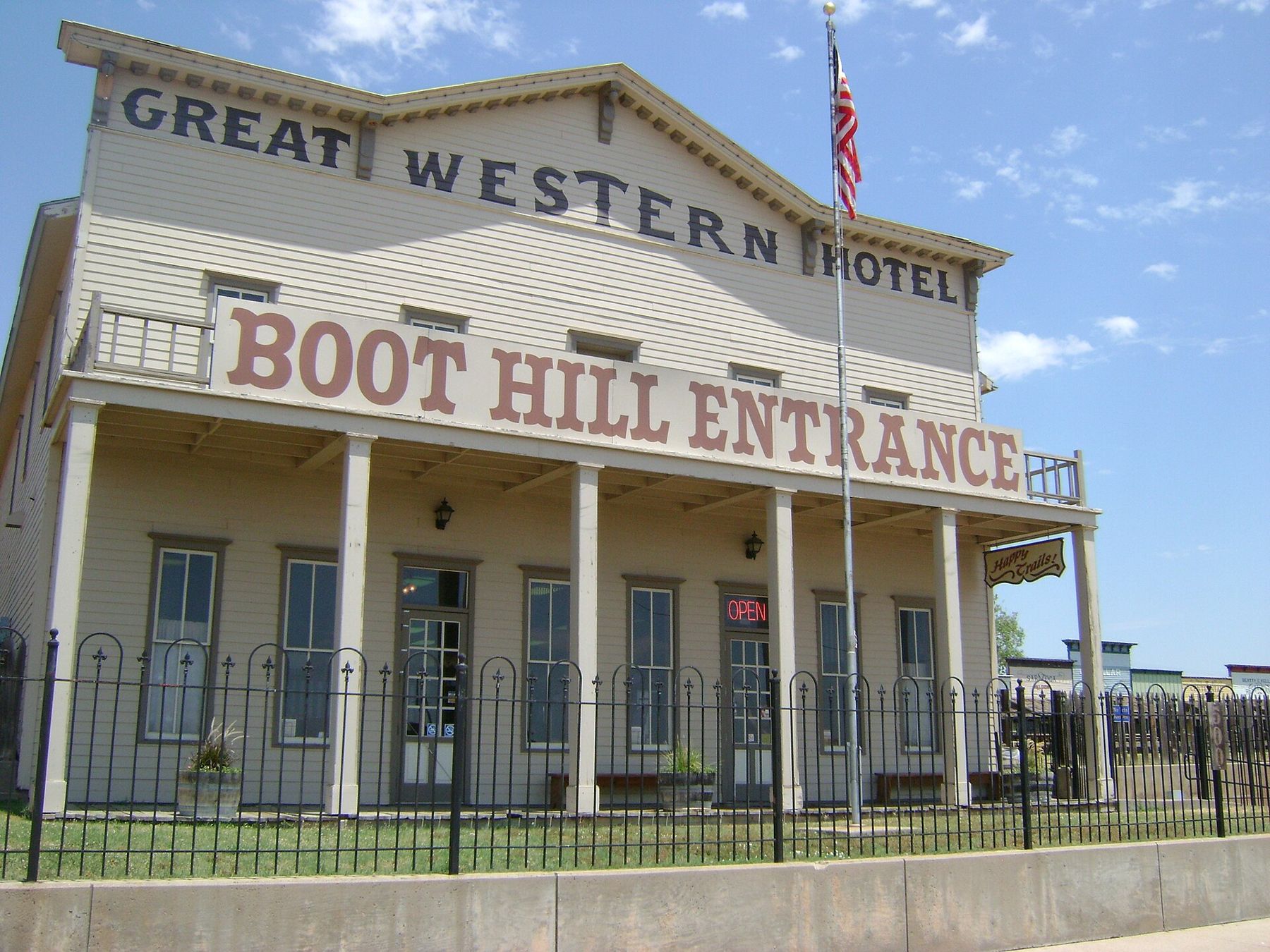
The original Boot Hill was a burial ground on a rise above the town, used in the early 1870s before a proper cemetery was laid out. The burials were moved by the end of that decade, and the hill was later built over. What you visit now is Boot Hill Museum, a museum on Front Street with a reconstructed row of the old street, exhibits on the hide and cattle trades, and a symbolic burial ground on the hill.
Take it for what it is: a careful reconstruction with real objects inside, wrapped in a good deal of showmanship. The exhibits on daily life, the railroad and the trail are worth slow attention. The staged gunfights and costumed reenactments are entertainment, and nobody pretends otherwise. Programs and hours change with the season, so check before you go.
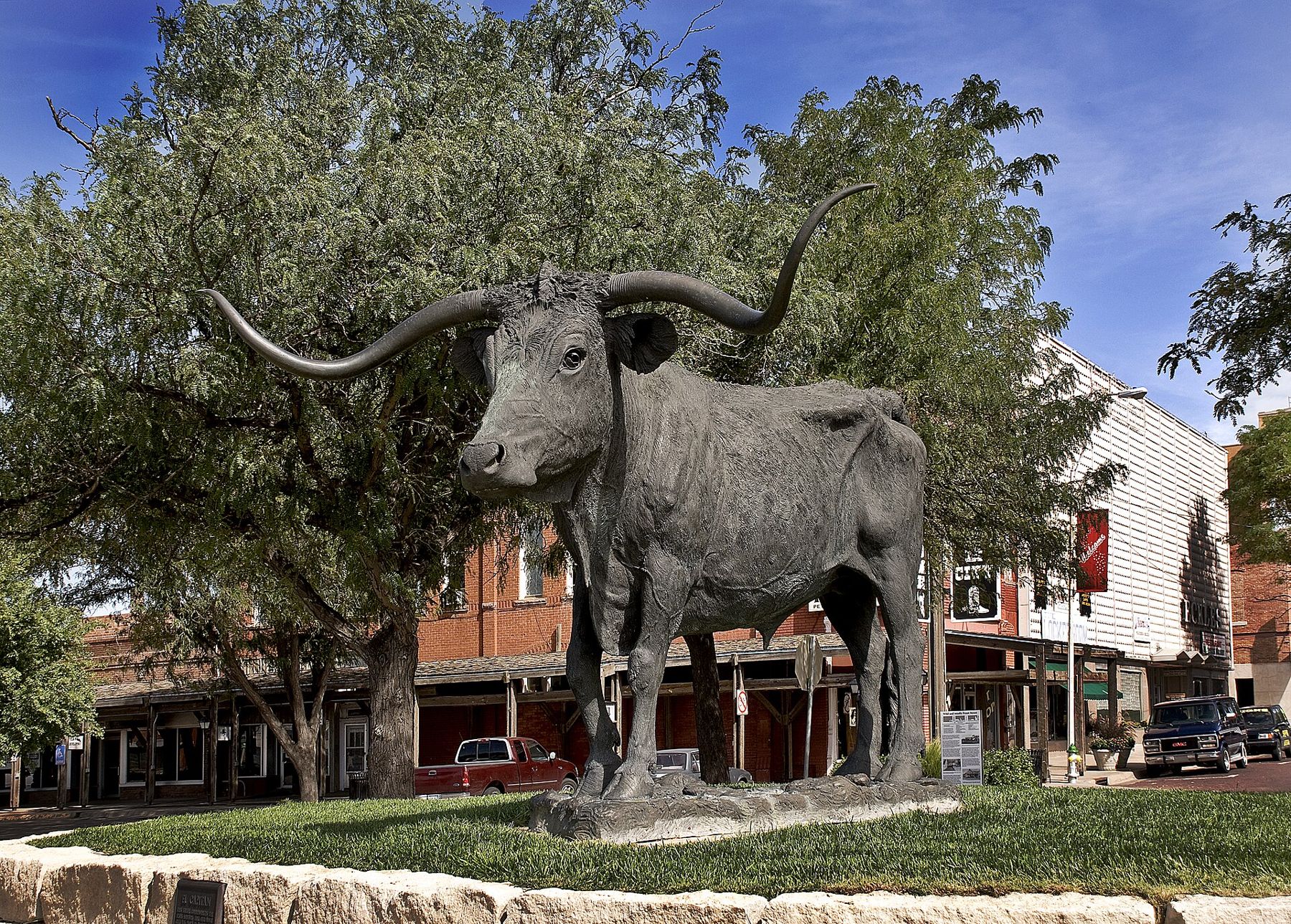
Outside, the bronze longhorn on Front Street marks the cattle era, and markers along the sidewalks pick out the sites of vanished buildings. Walk them with a map. The modern town, with its packing plants and feedlots on the edge, is the cattle trade carried forward into the present: Dodge is still a cattle town, only now the animals are fed out here rather than driven in.
Reading the town today
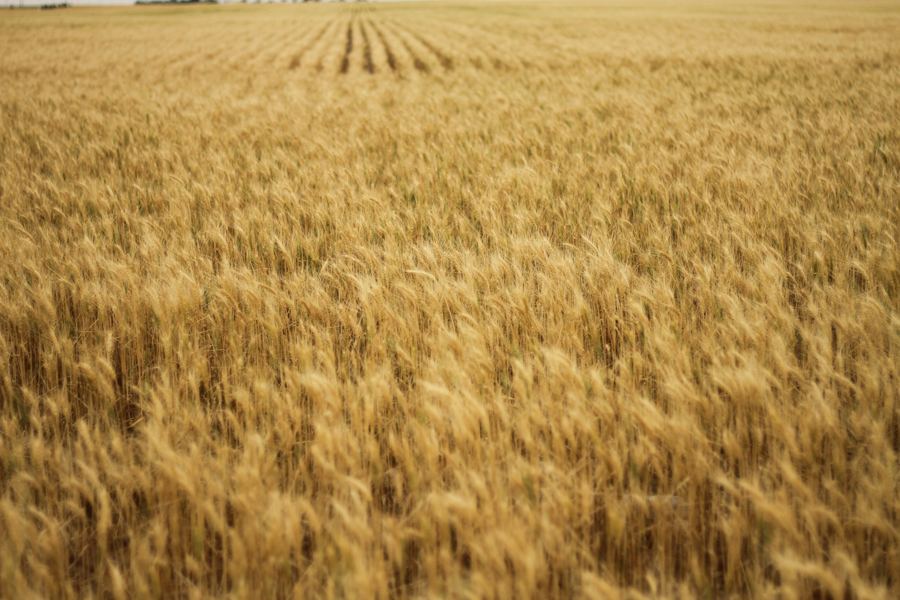
The elevators along the tracks tell the next chapter. Once the drives ended, the plowed prairie around Dodge became some of the most productive winter wheat country in the world, and the railroad that carried hides and steers began carrying grain. The concrete towers beside the tracks are worth learning to read, and the guide to grain elevators explains how.
A good day here runs like this:
- Start at the ruts west of town in the early light.
- Drive back along the river and walk Front Street before the heat.
- Spend the middle of the day inside the museum.
- Late in the afternoon, drive east to see the old fort buildings from the road.
Dodge City is a long way from anywhere, and that is part of its story too. Read up on driving the back roads if you plan to reach it on county roads, and give the trail ruts the time they ask for. They are the oldest thing here, and they need no legend to be worth the trip.
Camera work
- Gerald B. KeanePublic domain
- AmmodramusCC0
- LithistmanCC BY-SA 3.0
- Chris LightCC BY-SA 4.0